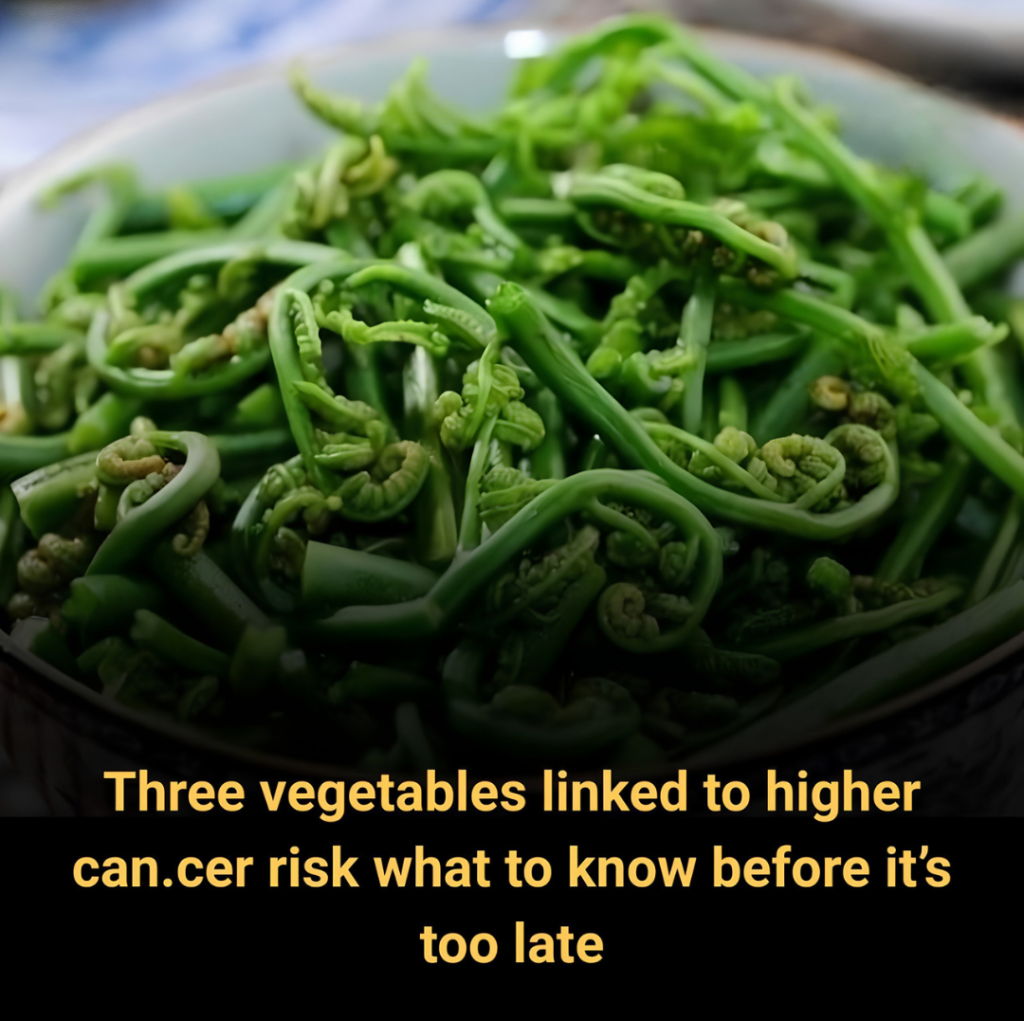

Three Vegetables That May Increase Cancer Risk—If Prepared the Wrong Way
Vegetables are among the healthiest foods you can eat, helping lower the risk of heart disease, diabetes, and many cancers. However, certain cooking and storage methods may create compounds that could increase health risks over time.
Here are three vegetables that deserve a little extra attention.
1. Potatoes Cooked at High Temperatures
French fries, potato chips, and heavily roasted potatoes can produce acrylamide, a chemical that forms when starchy foods are cooked at high heat. Animal studies have linked high levels of acrylamide to cancer, though evidence in humans remains less clear.
Reduce the risk by:
- Cooking potatoes until golden, not dark brown.
- Choosing boiling or steaming more often than frying.
- Avoiding refrigeration of raw potatoes before cooking.
2. Heavily Salted Pickled Vegetables
Pickled vegetables preserved with large amounts of salt have been associated with a higher risk of stomach cancer when eaten frequently over many years. Excess salt can damage the stomach lining and may increase the effects of harmful bacteria such as Helicobacter pylori.
Enjoy them more safely by:
- Eating them in moderation.
- Choosing lower-sodium varieties.
- Balancing your diet with fresh fruits and vegetables.
3. Moldy Root Vegetables
Potatoes, onions, carrots, and other root vegetables can develop mold if stored improperly. Some molds produce mycotoxins, substances linked to liver cancer and other health problems after long-term exposure.
If a vegetable is moldy, soft, or badly spoiled, it’s safest to throw it away rather than cut off the affected area.
The Bottom Line
These vegetables aren’t cancer-causing on their own. The concern comes from high-heat cooking, excessive salt, and poor storage—not the vegetables themselves.
For the greatest health benefits, eat a variety of fresh vegetables, cook them gently whenever possible, avoid heavily charred foods, and discard spoiled produce. Small changes in how you prepare and store vegetables can help reduce potential risks while keeping all the nutritional benefits.