
For most of us, food is about nourishment and enjoyment. But around the world, some commonly eaten foods can be dangerous—even deadly—if not prepared properly. Surprisingly, millions of people continue to eat them every day.
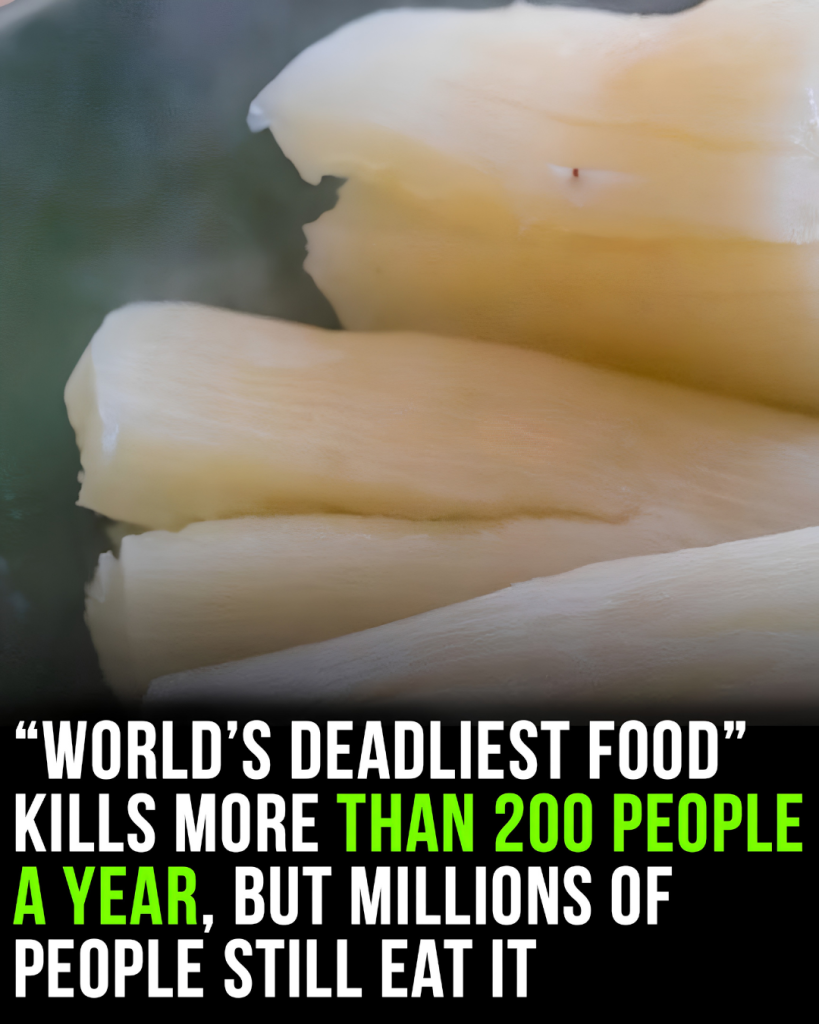
Cassava, a staple food for more than 800 million people, contains compounds that can release cyanide if eaten raw or improperly processed. According to the World Health Organization, cassava poisoning causes around 200 deaths each year. Yet when soaked, fermented, dried, or boiled correctly, it becomes safe and remains an essential food source in many countries.
Japan’s famous delicacy fugu, made from pufferfish, is another risky dish. The fish contains tetrodotoxin, a poison far more deadly than cyanide. Because of the danger, only specially trained chefs are licensed to prepare it.
Other foods can also pose hidden risks. Starfruit may be dangerous for people with kidney disease, while crushed apple seeds and cherry pits contain compounds that release cyanide. Green potatoes can produce toxic substances, and raw kidney beans contain toxins that can cause severe food poisoning unless thoroughly cooked.
Even everyday foods such as raw cashews, nutmeg, rhubarb leaves, and certain wild mushrooms can be harmful under the wrong conditions.
The good news is that most of these foods are perfectly safe when prepared and consumed properly. Their continued popularity serves as a reminder that sometimes the foods we enjoy most require a little extra knowledge—and caution.